To validate a business idea is to find evidence that people will pay for it before you spend months building it. Most advice starts with market research: search volumes, competitor counts, industry reports. Those tell you whether a market exists. They do not tell you whether your customers will pay you for this. The best evidence for that is already in your business: who buys from you, what they paid, and what they keep asking for. This guide walks through five steps, from reading that evidence to small paid tests and a pre-sale, and ends with where an AI idea check fits.
Why your own customer data beats market research
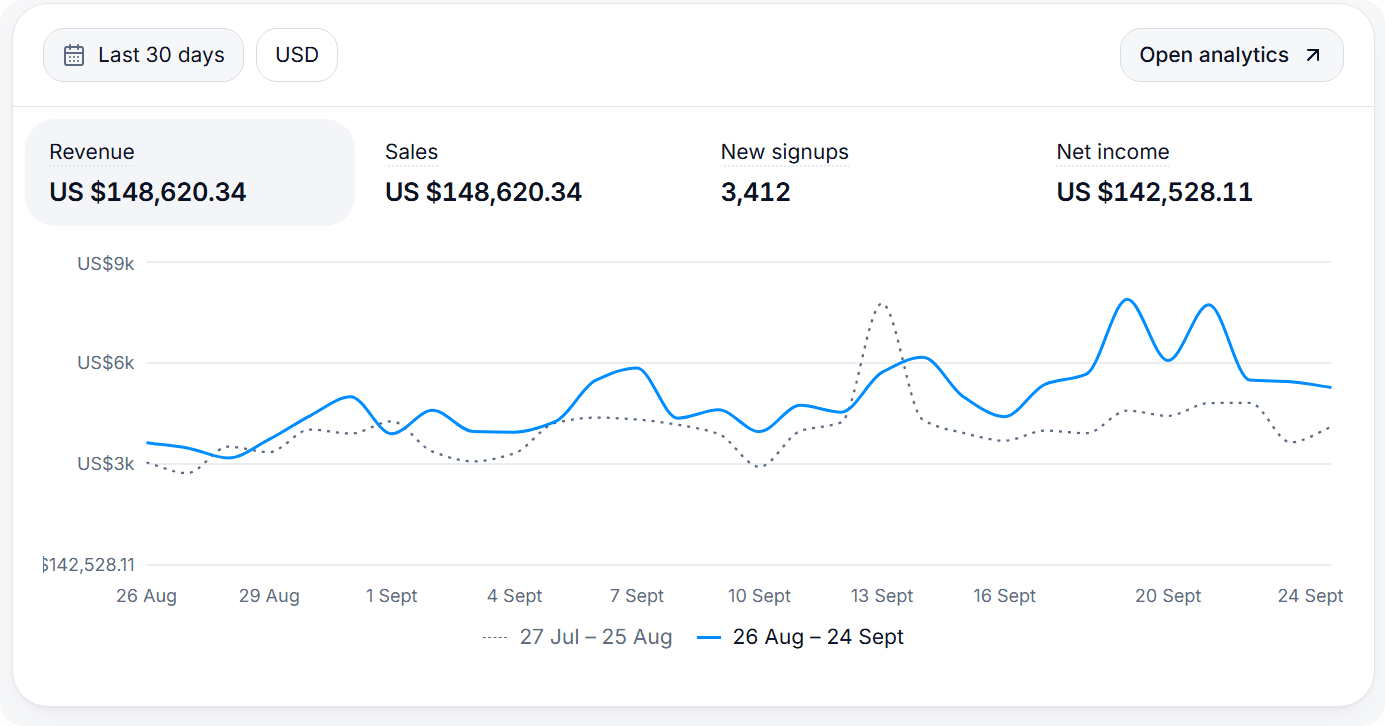
A new idea is most likely to sell to people who have already trusted you with their money. Your data tells you three things market research cannot:
- Who actually buys. Not the audience you imagine, but the people on your sales list.
- What they will pay. Real prices from real orders, not a survey answer about what someone might pay.
- What they want next. Questions, requests and complaints from people who already know your work.
If you have even a few dozen buyers, start here. Market research still helps later, to judge how big the idea could get beyond your own audience.
Step 1: Look at who already buys from you
Pull up your sales and your customer list and answer:
- Which products sell, and to whom? Note your best seller and the kind of buyer it attracts: beginners or advanced, individuals or teams, one country or many.
- Who buys more than once? Repeat buyers are the people most likely to buy the next thing. If your new idea does not suit them, ask who it is for.
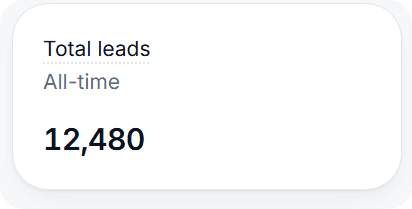
- How many people are close but have not bought? Leads, free subscribers and past enquiries are the second ring of your audience.
A new idea that serves the people in the first two groups is far safer than one that needs a new audience.
Step 2: Check what they paid
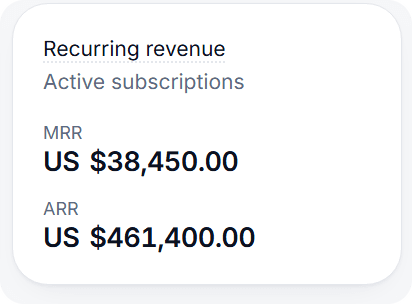
Price is where most ideas fail quietly. List the prices your buyers have actually paid, including discounts and coupons, and look for the range where most sales happen.
- If your new idea would cost much more than anything you have sold, it needs a stronger reason to buy, or a different buyer.
- If it would cost much less, check it does not undercut your existing products.
- A first version priced inside your proven range removes one unknown from the test.
Our guide on how to price your course covers pricing models in more depth.
Step 3: Collect what they have asked for
Your customers tell you what they want, usually in passing. Gather it in one place:
- Replies to your emails and the questions people ask after a purchase.
- Questions in your community or in live classes.
- Requests in support messages: "Do you have something on…?"
- Answers to a short survey. A form with two or three open questions ("What are you stuck on right now?") works better than a long multiple-choice survey.
Count the repeats. One request is an anecdote; the same request from ten buyers is a signal.
Step 4: Run a small paid test
Interest is cheap. Money is the real test. Before you build the full product, offer a smaller version that costs you little to make:
- A live workshop or a short cohort instead of a recorded course.
- A single template or guide instead of a full toolkit.
- A paid call or a pilot with a few clients instead of a programme.
Offer it first to your past buyers. Watch how many open the email, how many click, and how many pay. If the people who know you best do not buy the small version, a bigger version is unlikely to sell to strangers.
Step 5: Pre-sell before you build
A pre-sale asks people to pay now for something delivered on a set date. It is the strongest validation there is, because it uses real money.
- Write a short page that names the problem, the outcome, what is included and the start date.
- Set a real price and put up a checkout.
- Decide your target before you launch: how many sales make the idea worth building.
- Tell your existing buyers first, then your wider list.
- If you miss the target, refund every buyer promptly and thank them. You have lost a few weeks, not a few months.
For a full walkthrough, see our steps to presell an online course.
How to validate a business idea with AI
AI is useful for the boring part of validation: pulling the evidence together, scoring an idea consistently and suggesting the next step. Its limit is the data it sees. A general chat assistant only knows what you paste in, and a web-based idea validator judges the market, not your customers.
Spark, the idea validator in Vonza AI Agents, does the check against your own account. If you sell on Vonza, it reads:
- your students and leads;
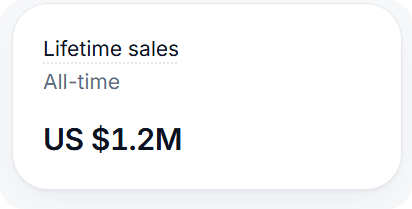
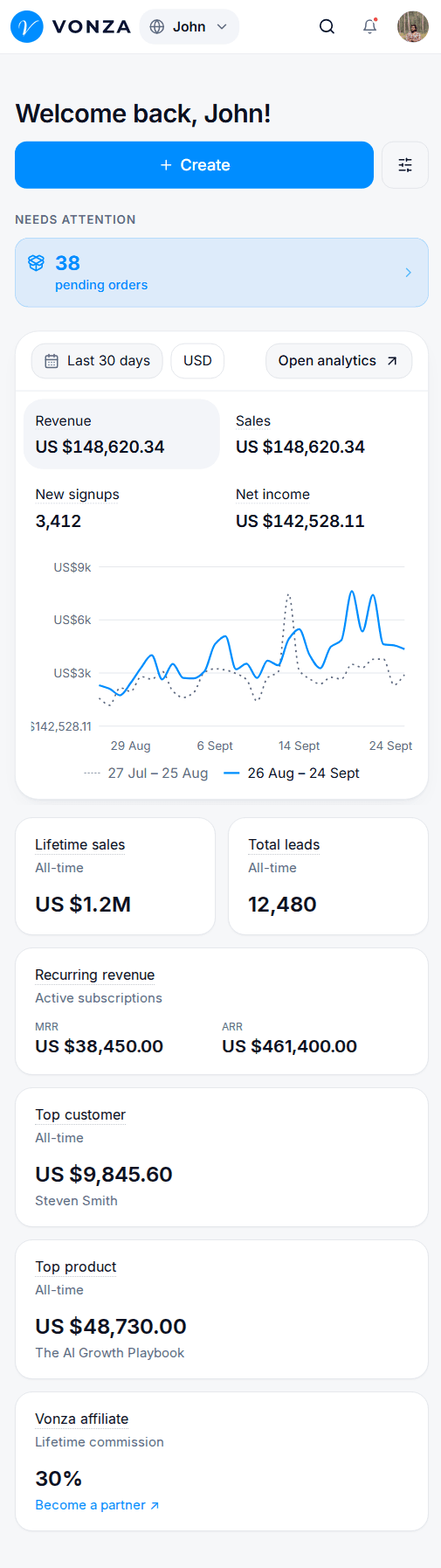
- your lifetime sales and the prices your buyers actually paid;
- the courses and products you have published, and your top seller.
It can add a web search for context. Then it gives you an idea check card:
- a score out of 10, with three sub-scores: audience fit, market gap and price fit;
- what your own data says about the idea;
- any overlap with what you already sell;
- three to five next steps, such as pre-selling to past buyers or testing the price.
Spark is clear about what the card is: its scores are its opinion from your data, not market data. Use it to decide which idea deserves a paid test, not as a replacement for one. The check is saved in My files as a report, and you can hand it to another agent when you are ready to write, for example Maya to draft the launch email or Omni to write an ebook. If you test ideas regularly, the Monthly idea check repeat job runs a check once a month within a spending limit you set. Spark runs on AI credits, and the Check an idea task shows the most a task can cost before it runs.
A one-page checklist
| Question | Where the answer comes from | Good sign |
|---|---|---|
| Who would buy this? | Your sales and customer list | Your repeat buyers fit the idea |
| What will they pay? | Prices on past orders | The price sits inside your proven range |
| Have they asked for it? | Emails, community, support, a short form | The same request from several buyers |
| Will they pay for a small version? | A workshop, pilot or single template | Past buyers pay without heavy discounts |
| Will they pay before it exists? | A pre-sale with a target and a date | You hit the target you set in advance |
Work down the table in order. Each step is cheaper than the next, and each one can stop a weak idea before it costs you months of building. Once an idea passes, the online course ideas guide and how entrepreneurs identify business opportunities can help you plan the next one.